
Gua Sha Benefits for Face: What Really Happens After 30 Days
The gua sha benefits for face that you’ve seen all over social media might seem too good to be true. Sculpted cheekbones, depuffed under eyes, a more lifted appearance. But here’s the thing: this ancient technique has been used in Traditional Chinese Medicine for centuries, and there’s a reason it’s stood the test of time. The question isn’t whether gua sha works. It’s whether it works for your life, your schedule, and your skin.
If you’ve ever scrolled through before and after photos wondering if those results are realistic, you’re not alone. As a busy professional with limited time in the morning, you probably don’t have 20 minutes to spare on elaborate facial massage routines. The good news? You don’t need that much time. A consistent five minute practice can deliver real, visible changes over the course of a month.
Let’s break down what actually happens when you commit to gua sha for 30 days, what the research says, and how to build a routine that fits into your real life. No hype, no impossible promises. Just practical information you can actually use.
Understanding the Real Gua Sha Benefits for Face
Before diving into what a month of practice looks like, it helps to understand why gua sha works in the first place. The technique involves using a flat, smooth stone to gently scrape and massage the skin in specific directions. This action does several things at once.
First, it increases blood circulation to the face. When blood flow improves, your skin receives more oxygen and nutrients. According to Cleveland Clinic, healthy blood flow is essential for maintaining skin health and supporting the body’s natural repair processes. This is why many people notice a healthy flush immediately after using their gua sha tool.
Second, gua sha helps move lymphatic fluid. Your lymphatic system doesn’t have its own pump like your heart. It relies on movement and massage to keep fluid circulating. When lymph becomes stagnant, puffiness and dullness can result. The gentle pressure of gua sha encourages this fluid to drain properly, which is why the technique is often called gua sha for lymphatic drainage face work.
Third, the massage relaxes facial tension. If you hold stress in your jaw or furrow your brow without realizing it, that chronic muscle tension can contribute to the appearance of lines over time. Gua sha helps release that held tension, leaving your face feeling more relaxed.
Gua Sha Benefits for Face: What to Expect Week by Week
One of the most common questions about facial gua sha results is how long it takes to see changes. The truth is that some benefits appear immediately, while others take consistent practice to develop. Here’s a realistic timeline based on what most people experience.
Week One: You’ll likely notice immediate effects that fade within a few hours. Reduced puffiness, especially around the eyes and jawline. A temporary rosy glow from increased circulation. Your face may feel more relaxed, particularly if you carry tension in your jaw. These effects are encouraging, but they’re not permanent yet.
Week Two: Your technique improves, and you start to notice that the depuffing effects last a bit longer. Many people find that morning puffiness becomes less pronounced overall. You might also notice that your skincare products seem to absorb better after gua sha.
Week Three: This is when things get interesting. The cumulative effects of improved circulation and lymphatic drainage start to show. Your skin may look more even in tone, and some people notice that their face looks slightly more defined. The relaxation of facial muscles becomes more noticeable.
Week Four: By now, if you’ve been consistent, the gua sha before and after 30 days difference becomes visible in photos. Reduced puffiness looks more permanent. Your skin has a healthier overall appearance. The jaw and cheekbones often look more sculpted, not because the bone structure changed, but because fluid retention and muscle tension have decreased.
Does Gua Sha Actually Work? What the Evidence Says
It’s fair to be skeptical. Social media is full of exaggerated claims about skincare tools, and it can be hard to separate fact from fiction. So let’s look at what we actually know about whether gua sha delivers on its promises.
Research on facial gua sha specifically is still emerging, but studies on the underlying mechanisms are more established. We know that massage increases blood flow and supports lymphatic drainage. We know that reducing muscle tension can affect how the face looks. These aren’t controversial claims.
What gua sha won’t do is change your bone structure or replace treatments like professional facials or prescription skincare. According to the American Academy of Dermatology, a good skincare routine focuses on the basics: cleansing, moisturizing, and sun protection. Gua sha is best viewed as a complement to these fundamentals, not a replacement.
The people who see the best results from gua sha are usually those who are consistent. Five minutes every day beats 20 minutes once a week. If you’re wondering how often to use gua sha on face for optimal results, daily practice is ideal, though even three to four times weekly can make a difference.
How to Build a Simple Gua Sha Routine for Busy Mornings
Here’s where we get practical. You don’t need a complicated routine to experience gua sha benefits for face. What you need is a simple, repeatable process that you can stick with even on your busiest days.
- Start with clean, damp skin and a slip product. This can be your regular serum, facial oil, or moisturizer. The gua sha tool needs something to glide on. Never use it on dry skin.
- Work from the center of the face outward and upward. Start at the neck and move up, as this helps open lymphatic pathways. Use gentle pressure. If you’re leaving red marks, you’re pressing too hard.
- Focus on three to five strokes per area. You don’t need to do 50 passes on each section. Quality and consistency matter more than quantity.
- Keep your tool clean. Wipe it down after each use and wash it with soap weekly. Store it somewhere it won’t collect dust or bacteria.
- Set a realistic time commitment. Five minutes is enough. If you try to do 15 minutes every morning, you’ll probably quit within a week.
If you want to incorporate gua sha into a streamlined approach, consider reading about the 10 minute skincare routine for busy women that actually works. It’s all about making your routine sustainable rather than elaborate.
Gua Sha Benefits for Face: Maximizing Your Results
While consistency is the most important factor, there are a few things that can help you get more from your practice. These small adjustments can make a noticeable difference in your facial gua sha results.
Temperature matters. Some people prefer to chill their gua sha stone in the refrigerator before use. The cold helps constrict blood vessels temporarily, which can enhance the depuffing effect. This is especially helpful for morning puffiness around the eyes. Others prefer room temperature, which allows for better product absorption. Experiment to see what your skin responds to best.
Time of day makes a difference. Morning gua sha is ideal for reducing overnight puffiness and giving your face a fresh, awake look before makeup. Evening gua sha helps release the tension that accumulates throughout the day and can be wonderfully relaxing before bed. Both work. Choose what fits your life.
Pair with other gentle practices. Gua sha works beautifully as part of a broader self care moment. If you enjoy dedicating a bit more time on weekends, you might explore seven steps to an at home spa routine for glowing skin you can do tonight. At Gloressa, we believe that skincare should feel like a small luxury, not another chore on your list.
Common Mistakes That Limit Gua Sha Benefits for Face
Even a simple technique can go wrong if you’re not aware of a few common pitfalls. Here’s what to avoid so you can get the most from your practice.
Using too much pressure. This is the most common mistake. Gua sha should feel pleasant, not painful. You’re not trying to dig into the muscle. Light to medium pressure is all you need. If your skin is red for more than a few minutes afterward, ease up.
Skipping the slip product. Dragging a stone across dry skin creates friction that can irritate and potentially cause broken capillaries. Always use a serum, oil, or moisturizer to let the tool glide smoothly.
Inconsistent practice. The most beautiful gua sha stone in the world won’t help if it sits in a drawer. Set a reminder, keep your tool visible, or pair gua sha with an existing habit like brushing your teeth. Consistency is what creates lasting results.
Wrong direction. For lymphatic drainage, you generally want to move the tool outward and downward toward the lymph nodes near the ears and along the neck. Moving in random directions won’t give you the same drainage benefits.
Expecting overnight transformation. Does gua sha actually work? Yes, but it works gradually. If you’re expecting dramatic changes after three days, you’ll be disappointed. Give it a full 30 days before you evaluate your results.
Who Should Be Cautious With Facial Gua Sha
While gua sha is generally gentle and safe for most people, there are a few situations where you should proceed with caution or check with a dermatologist first.
If you have active acne, cystic breakouts, or inflamed skin conditions like rosacea or eczema, the pressure and friction of gua sha might make things worse. Wait until your skin has calmed down before incorporating the practice. Healthline recommends being gentle with skin that’s already irritated.
If you’re on blood thinners or have conditions that affect how easily you bruise, talk to your doctor before starting gua sha. The technique shouldn’t cause bruising when done correctly, but it’s worth being cautious.
If you’ve recently had any facial procedures, injections, or treatments, give your skin time to heal before adding massage. Your provider can advise you on how long to wait.
For everyone else, gua sha is a low risk practice that most people can enjoy as part of their regular skincare routine. Start gently, pay attention to how your skin responds, and adjust accordingly.
Frequently Asked Questions About Gua Sha Benefits For Face
How long does it take to see gua sha benefits for face?
Most people notice immediate temporary effects like reduced puffiness and increased glow right after their first session. Lasting, visible changes typically appear after two to four weeks of consistent daily practice. The key is regular use rather than occasional long sessions.
Can I use gua sha every day, and how often should I use it?
Yes, daily gua sha is safe and often recommended for best results. Five minutes each morning is ideal for most people. If your skin feels sensitive, you can reduce frequency to three or four times per week and still see benefits.
What are the main gua sha benefits for face compared to other facial tools?
Gua sha offers a combination of lymphatic drainage, increased circulation, and muscle tension release that’s difficult to replicate with other tools. Unlike jade rollers, the flat edge allows for more targeted work along the jawline and cheekbones. It’s also an affordable tool that lasts for years with proper care.
Does gua sha help with under eye bags and puffiness?
Yes, gua sha is particularly effective for reducing fluid retention around the eyes. The gentle massage helps move stagnant lymphatic fluid away from the area. For best results, use very light pressure around the delicate eye area and work from the inner corner outward.
What type of gua sha tool is best for beginners?
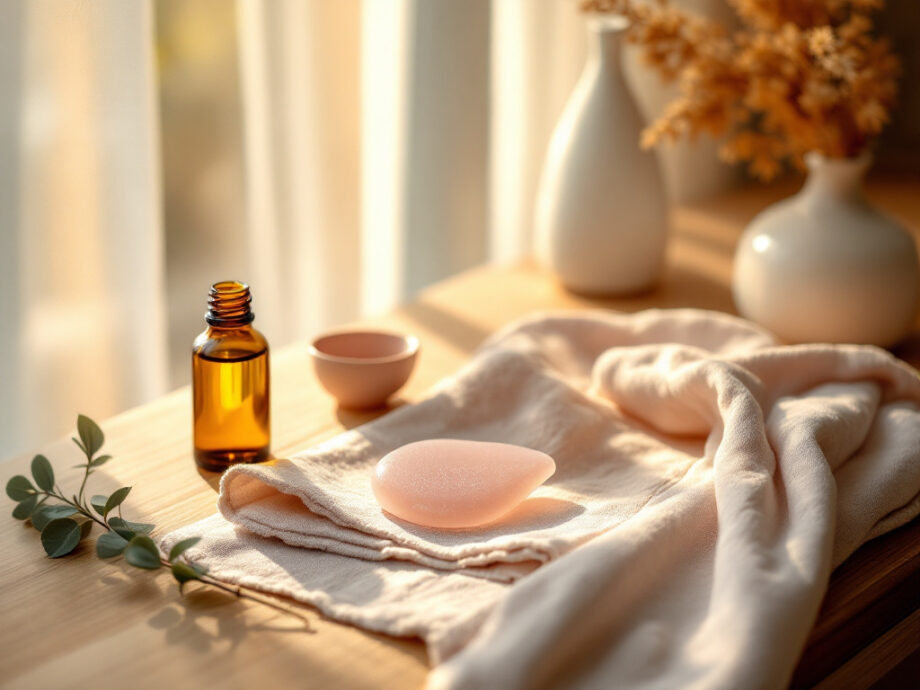
A flat, heart shaped tool in jade or rose quartz works well for beginners because the curved edges fit naturally against facial contours. The material matters less than the technique. Choose a tool with smooth edges and no chips. Avoid anything with rough spots that could irritate your skin.
Making Gua Sha Part of Your Real Life
The truth about gua sha benefits for face is this: the practice works best when it fits naturally into your routine. It doesn’t need to be complicated or time consuming. Five minutes in the morning, done consistently, will serve you better than sporadic 20 minute sessions.
What many people discover after 30 days isn’t just visible changes in their skin. They find that the ritual itself becomes a small moment of calm in busy mornings. A few minutes of intentional touch, focusing on yourself before the day pulls you in a dozen directions.
If you’re curious about other ways to care for your skin without adding hours to your routine, explore our story and browse the Gloressa blog for more practical approaches to skincare that works with your life. At Gloressa, we believe the best routines are the ones you actually stick with.
Your gua sha tool is waiting. Give it 30 days. See what happens.
Your glow ritual, guided
Get the free 10-Minute Glow Guide
A simple, printable routine you will actually keep — the exact steps to build a calm, effective skincare ritual in ten minutes a day. No 10-step overwhelm, no confusing ingredient lists. Just the essentials that work.