
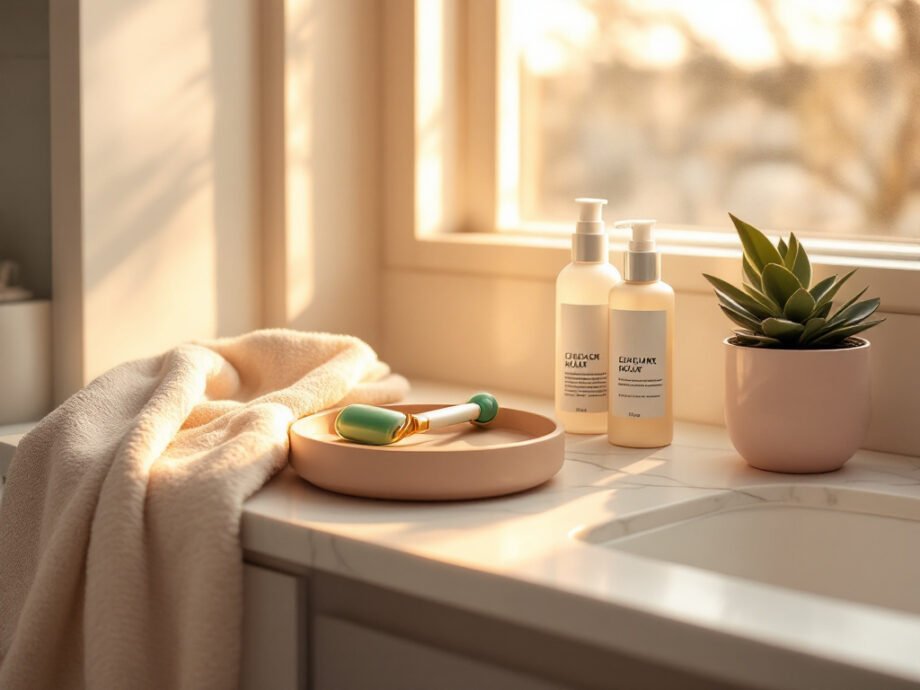
Why My Skin Looks Dull After Skincare: 6 Routine Mistakes That Steal Your Glow
Why my skin looks dull after skincare is one of the most frustrating questions you can find yourself asking at the bathroom mirror. You’ve invested time and money into products that promised radiance, yet somehow your complexion looks flatter, greyer, or more tired than before you started. You’re not imagining it, and you’re certainly not alone in this experience.
The truth is that skincare routines can absolutely backfire when certain elements clash, when application techniques work against you, or when well-intentioned habits quietly disrupt your skin’s natural processes. According to the American Academy of Dermatology, even beneficial ingredients can cause problems when used incorrectly or in the wrong combinations. Your skin isn’t broken. Your routine might just need some thoughtful adjustments.
This guide walks through six common routine mistakes that could explain why your skin looks worse after skincare routine efforts. Each section explains not just what might be going wrong, but the underlying reasons and how to gently shift your approach. No dramatic overhauls required. Sometimes the smallest changes create the most noticeable difference.
Why My Skin Looks Dull After Skincare: The Over-Exfoliation Problem
One of the most common reasons behind dull skin after applying products is simply doing too much of a good thing. Exfoliation, whether chemical or physical, removes dead skin cells to reveal fresher skin beneath. But when you exfoliate too frequently or combine multiple exfoliating products, you strip away more than dead cells.
Your skin’s outer layer, the stratum corneum, actually serves protective functions. It holds moisture in and keeps irritants out. When you wear this layer down too aggressively, your skin responds by becoming dehydrated, sensitized, and ironically, duller than before. The surface becomes rough and uneven, scattering light instead of reflecting it smoothly.
Signs of over-exfoliation include tightness after cleansing, unusual sensitivity to products that previously felt fine, and a waxy or shiny appearance that isn’t natural luminosity. If this sounds familiar, you might benefit from reading about how to exfoliate sensitive skin safely to find a gentler approach.
Consider reducing exfoliation to once or twice weekly and allowing your skin several weeks to recover. That healthy glow you’re chasing depends on a balanced, intact skin surface.
Product Layering Gone Wrong: Why My Skin Looks Dull After Skincare Applications
The order and combination of your products matters more than many people realize. Certain ingredients cancel each other out, while others can create reactions that leave skin looking flat or irritated. Understanding why my skin looks dull after skincare often comes down to examining what you’re layering together.
For example, using vitamin C immediately followed by niacinamide was once thought to cause flushing and reduce effectiveness, though newer research suggests they can work together when formulated well. However, mixing retinoids with certain acids in a single routine can definitely increase irritation without boosting benefits. Oil-based products applied before water-based serums create a barrier that prevents absorption.
The general rule is to apply products from thinnest to thickest consistency, allowing each layer to absorb before adding the next. If you’re questioning why does my face look dull after moisturizer, consider whether heavier products are trapping debris or preventing lighter treatments from penetrating properly.
Keep notes on what you apply and in what order. Sometimes skincare making skin look dull is simply a sequencing issue that’s easy to resolve once identified.
The Hidden Culprit: Film-Forming Ingredients That Block Your Glow
Some ingredients create a physical film on your skin’s surface. Silicones, certain polymers, and heavy waxes are common in primers, moisturizers, and sunscreens. While these ingredients aren’t inherently bad, they can contribute to why my skin looks dull after skincare when they build up over time or when your cleansing routine doesn’t fully remove them.
This film can trap dead skin cells against your face, prevent serums from absorbing properly, and create a matte, flat appearance that lacks dimension. According to Cleveland Clinic, healthy skin naturally sheds cells and produces oils that create a subtle luminosity. When film-forming ingredients accumulate, this natural process gets disrupted.
The solution isn’t necessarily avoiding these ingredients entirely. Many serve useful purposes like smoothing texture or extending sunscreen protection. Instead, ensure your cleansing routine is thorough enough to remove them completely at the end of each day. Double cleansing, using an oil-based cleanser followed by a water-based one, can help dissolve stubborn residues without harsh scrubbing.
Why My Skin Looks Dull After Skincare: Dehydration in Disguise
Here’s something that surprises many people: your skincare routine might actually be dehydrating your skin while you believe you’re moisturizing it. This explains why my skin looks dull after skincare for countless frustrated individuals who are doing everything seemingly right.
Certain ingredients, like high concentrations of glycolic acid, strong retinoids, or drying alcohols, can compromise your skin’s ability to hold onto water. Even some hyaluronic acid products can backfire in very dry climates, actually pulling moisture from your skin when there’s insufficient humidity in the air.
Dehydrated skin lacks the plumpness that reflects light beautifully. Fine lines appear more prominent, texture looks rougher, and that healthy luminosity fades into something tired and flat. The frustrating part is that dehydration can affect any skin type, including oily skin that might seem like it has plenty of moisture.
If your skincare routine not working as expected might be hydration-related, look for products with humectants paired with occlusives. Humectants like glycerin attract water, while occlusives like squalane or ceramides help seal it in. For deeper support, explore how to repair your skin barrier and restore proper moisture balance.
Timing and Patience: The Underestimated Factors
Sometimes the answer to why my skin looks dull after skincare has nothing to do with the products themselves and everything to do with timing. Your skin needs adequate time to absorb each product before the next one goes on. Rushing through your routine can leave products sitting on top of each other, creating a heavy, suffocating layer that looks anything but radiant.
Wait at least 30 seconds to a minute between applying lightweight products. Thicker creams and treatments might need two to three minutes. Yes, this extends your routine, but it dramatically improves how products interact with your skin and with each other.
There’s also the matter of realistic timelines. Many active ingredients need weeks or months of consistent use before showing visible results. During this adjustment period, your skin might purge, look temporarily worse, or simply show no change. This doesn’t mean the products are failing. Skin cell turnover takes roughly 28 days, and meaningful changes often require multiple cycles.
At Gloressa, the emphasis is always on sustainable approaches rather than overnight transformations. Real skin health builds gradually.
Environmental and Lifestyle Factors Working Against Your Routine
Your skincare routine exists within a larger context. Sleep quality, hydration levels, stress, and environmental exposures all influence how your skin looks and responds to products. If you’re wondering why my skin looks dull after skincare despite using high-quality products correctly, look beyond the bathroom cabinet.
Poor sleep disrupts your skin’s overnight repair processes. Dehydration from insufficient water intake leaves skin looking flat regardless of how many serums you apply. Chronic stress elevates cortisol, which can trigger inflammation and dullness. Even your pillowcase material and how often you change it affects your skin’s morning appearance.
Consider these lifestyle factors that directly impact skin radiance:
- Sleep quality and duration, particularly deep sleep phases when cellular repair peaks
- Daily water intake relative to caffeine and alcohol consumption
- Indoor humidity levels, especially during heating or air conditioning seasons
- Stress management practices and their consistency
- Diet quality, particularly foods rich in omega fatty acids and antioxidants
- Screen time and blue light exposure close to bedtime
For ideas on making skincare feel less like a chore and more like genuine self-care, read about how to make your skincare routine relaxing. When routines feel nourishing rather than obligatory, consistency comes more naturally.
Rethinking Your Cleansing Approach
Cleansing might seem too basic to cause problems, but it’s often where routines go wrong. Cleansers that are too harsh strip essential oils and disrupt your moisture barrier. Cleansers that are too gentle may leave behind residue, sunscreen, or makeup that blocks absorption of everything applied afterward.
According to Healthline, the skin’s pH hovers around 5.5, slightly acidic. Many cleansers are alkaline, which temporarily disrupts this balance and can affect how your skin looks and functions for hours afterward. Choosing pH-balanced cleansers helps maintain your skin’s natural protective acid mantle.
Water temperature matters too. Very hot water feels satisfying but can strip oils and cause flushing. Lukewarm water cleanses effectively without the downsides. Pat your face dry gently rather than rubbing, which can cause micro-irritation that adds up over time.
If cleansing leaves your skin feeling tight or squeaky clean, that’s actually a warning sign of over-cleansing, not proof of thoroughness. Your skin should feel comfortable and balanced after washing, not parched.
Frequently Asked Questions About Why My Skin Looks Dull After Skincare
Why my skin looks dull after skincare even when I use expensive products?
Price doesn’t guarantee compatibility with your skin or proper formulation for your specific needs. Expensive products can still contain irritating fragrances, drying alcohols, or ingredients that don’t suit your skin type. Focus on ingredient lists and how products make your skin feel rather than cost.
How long should I wait to see if my skincare routine is working?
Most dermatologists recommend giving a new routine at least six to eight weeks before judging results, since skin cell turnover takes about a month. However, if you experience burning, excessive dryness, or breakouts that worsen after two weeks, those are signs to reassess sooner.
Why my skin looks dull after skincare in the morning but better at night?
Morning dullness often relates to sleep quality, overnight product absorption, or how morning products interact with sunscreen and makeup. Your skin also tends to be slightly puffier in the morning from lying down, which can affect how light reflects off your face.
Can using too many products cause dull skin after applying them?
Absolutely. More products mean more potential for ingredient conflicts, residue buildup, and overwhelming your skin’s absorption capacity. Sometimes simplifying to fewer, well-chosen products produces better results than an elaborate multi-step routine.
Should I stop my entire routine if my skin looks worse after skincare?
Rather than stopping everything at once, try eliminating one product at a time every few days to identify the culprit. Maintaining basic cleansing and moisturizing protects your skin while you troubleshoot. Complete routine abandonment can cause its own problems.
Finding Your Way Back to Radiance
Understanding why my skin looks dull after skincare is the first step toward meaningful change. The answers usually lie in the details: how much you’re exfoliating, what you’re layering together, whether products are fully absorbing, and how your lifestyle supports or undermines your routine.
Your skin has remarkable capacity to recover and thrive when given appropriate care. This doesn’t mean buying more products or following more complicated routines. Often it means doing less, more thoughtfully. Pay attention to how your skin responds, adjust gradually, and trust that consistency with the right approach brings results.
For more guidance on building routines that genuinely work, explore the Gloressa blog and learn more about our story at Gloressa. The glow you’re looking for isn’t about perfection. It’s about skin that feels healthy, comfortable, and truly cared for.
Your glow ritual, guided
Get the free 10-Minute Glow Guide
A simple, printable routine you will actually keep. The exact steps to build a calm, effective skincare ritual in ten minutes a day. No 10-step overwhelm, no confusing ingredient lists. Just the essentials that work.