
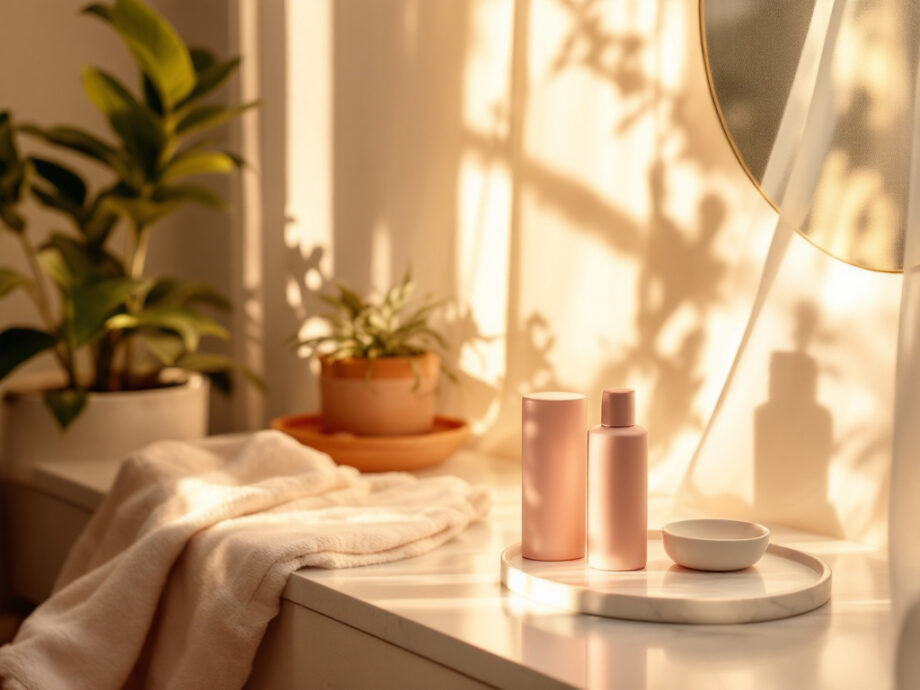
How to Build a Simple Skincare Routine: 4 Steps You Will Actually Keep
Learning how to build a simple skincare routine shouldn’t feel like studying for a chemistry exam. If you’ve ever stood in the skincare aisle overwhelmed by serums, acids, and products promising the world, you’re not alone. The beauty industry loves complexity because complexity sells more products. But your skin doesn’t need a twelve step regimen to look and feel its best.
Here’s what actually matters: consistency beats complexity every single time. A basic skincare routine steps approach that you follow daily will outperform an elaborate routine you abandon after two weeks. According to the American Academy of Dermatology, most people only need a few essential products to maintain healthy skin. The rest is often marketing.
This guide is for you if you’re noticing changes in your skin, whether that’s new dryness, dullness, or fine lines, and you want a minimalist skincare routine that actually delivers. No gimmicks, no overwhelming product lists. Just four steps that work together to support your skin’s natural functions. Let’s get into it.
Why Learning How to Build a Simple Skincare Routine Matters More Now
Your skin in your late thirties and forties isn’t the same skin you had at twenty five. That’s not a problem to fix. It’s simply biology. Cell turnover slows, collagen production decreases naturally, and your skin’s barrier may become more reactive to products and environmental stressors. Understanding these shifts helps you make smarter choices.
A simple skincare routine for beginners, even if you’ve been using products for years, means stripping back to essentials and rebuilding intentionally. Many women discover that the irritation or dullness they’ve been fighting was actually caused by too many products, not too few. When you layer multiple active ingredients without understanding how they interact, you can inadvertently compromise your skin’s protective barrier. If you’ve experienced redness, sensitivity, or persistent dryness despite trying “everything,” this is often why.
The goal isn’t perfection. It’s creating a sustainable foundation that supports your skin’s health over time. Once you master the basics, you can thoughtfully add targeted treatments if and when you actually need them.
How to Build a Simple Skincare Routine Step One: Cleansing Done Right
Cleansing seems straightforward, but it’s where many routines go wrong. The purpose of cleansing is to remove dirt, excess oil, makeup, and environmental pollutants without stripping your skin’s natural moisture. Over cleansing, or using harsh cleansers, can trigger a frustrating cycle of dryness followed by excess oil production as your skin tries to compensate.
For most skin types, a gentle, hydrating cleanser used once or twice daily is enough. If you wear makeup or sunscreen, you might benefit from the double cleansing method, which uses an oil based cleanser first to dissolve products, followed by a water based cleanser to remove residue. This approach is thorough without being aggressive.
Look for cleansers free of sulfates, which can be overly drying, and artificial fragrances, which can irritate sensitive skin. The Cleveland Clinic notes that maintaining your skin’s natural pH during cleansing helps preserve its protective acid mantle. Your cleanser shouldn’t leave your skin feeling tight or squeaky. That’s a sign it’s too harsh.
Step Two: Hydration Is Non Negotiable
Every skin type, including oily skin, needs hydration. There’s a difference between hydration and moisture, and understanding this helps you choose the right products. Hydration refers to water content in your skin cells. Moisture refers to oils that seal that water in. Most people need both.
Hydrating ingredients like hyaluronic acid draw water into the skin. If you’re experiencing dullness or fine lines that seem more pronounced, dehydration is often a factor. Hyaluronic acid is naturally present in your skin, and topical application supports plumpness and suppleness. For a deeper look at this ingredient, check out our guide to hyaluronic acid benefits for dry skin on the Gloressa blog.
You can apply a hydrating serum or essence after cleansing while your skin is still slightly damp. This helps active ingredients absorb more effectively. Pat it in gently rather than rubbing. Then follow with a moisturizer to lock everything in place.
How to Build a Simple Skincare Routine Step Three: Moisturizing for Barrier Support
Your moisturizer does more than make your skin feel soft. It helps maintain your skin barrier, that outermost layer of cells and lipids that protects against bacteria, pollution, and moisture loss. When your barrier is healthy, your skin looks smoother, feels more comfortable, and responds better to any treatments you use.
Choose a moisturizer based on your skin’s current needs, which may shift seasonally. Lightweight gel moisturizers work well for oilier skin types. Richer creams with ceramides or squalane are better for drier or more mature skin. The key is finding a formula that absorbs well without leaving you greasy or weighed down.
If you’ve been experiencing persistent sensitivity or irritation, your barrier may need extra support. We cover this topic in depth in our guide to repairing your skin barrier naturally. Sometimes, simplifying your routine and focusing on barrier repair for a few weeks can resolve issues that multiple products failed to address.
Apply your moisturizer while your skin still has some dampness from your hydrating step. This helps trap moisture more effectively. Morning and evening application is standard, though you might use a lighter formula in the morning under sunscreen.
Step Four: Sunscreen Every Single Day
If you take one thing from this guide, let it be this: daily sunscreen is the most impactful step in any skincare routine. UV exposure is responsible for up to 90% of visible skin aging, according to dermatological research. It also contributes to uneven tone, texture changes, and more serious concerns.
This isn’t about fear. It’s about protection. Sunscreen creates a shield against UVA rays, which penetrate deep and contribute to premature aging, and UVB rays, which cause sunburn. Both types damage skin cells over time.
For daily wear, look for a broad spectrum SPF 30 or higher. There are two main types:
- Chemical sunscreens absorb UV rays and convert them to heat. They tend to be lighter and more cosmetically elegant but can irritate sensitive skin.
- Mineral sunscreens containing zinc oxide or titanium dioxide sit on top of the skin and physically block rays. They’re generally better for reactive skin types.
Apply sunscreen as the last step of your morning routine, after moisturizer and before makeup. Use about a nickel sized amount for your face, and don’t forget your neck and ears. Reapply every two hours if you’re spending extended time outdoors.
What About Serums and Treatments in How to Build a Simple Skincare Routine
Once your foundational four steps are solid and your skin is happy, you might consider adding one targeted treatment. The keyword is one. Introducing multiple actives simultaneously makes it impossible to know what’s helping or hurting.
A vitamin C serum in the morning can brighten skin tone and provide antioxidant protection against environmental damage. Niacinamide is another versatile option that supports barrier function and helps with texture. At Gloressa, we believe in an easy skincare routine that works through thoughtful ingredient choices rather than product overload.
If you’re curious about specific ingredients, take your time researching how they work with your skin type. Not every trendy ingredient is right for everyone. Retinoids, for example, can be transformative but require careful introduction and aren’t suitable for everyone. Acids can exfoliate and brighten but may compromise your barrier if overused.
The best approach is patience. Give any new product at least four to six weeks before evaluating results. Skin cells turn over in roughly 28 day cycles, so meaningful changes take time.
Making Your Simple Skincare Routine for Beginners Actually Stick
Knowing what to do is only half the battle. The other half is building habits that last. Here are some strategies that work:
- Keep products visible. If your skincare is hidden in a drawer, you’ll forget to use it. Display your essentials where you’ll see them morning and night.
- Attach your routine to existing habits. Do your skincare right after brushing your teeth. The established habit acts as a trigger for the new one.
- Start small. If four steps feel like too much initially, start with just cleanser and moisturizer. Add steps gradually as you build consistency.
- Track how your skin responds. A simple notes app entry once a week helps you notice patterns and progress over time.
Consistency matters more than perfection. Missing one night won’t undo your progress. Missing three weeks might. Treat your routine as a form of self care rather than another task on your to do list, and it becomes something you look forward to rather than dread.
Common Mistakes When Learning How to Build a Simple Skincare Routine
Even with good intentions, certain missteps can slow your progress. Here are the ones we see most often:
Switching products too quickly. If you don’t see results in a week and immediately try something new, you’re not giving anything a fair chance. Stick with products for at least a month before deciding they don’t work.
Assuming more products mean better results. A ten step routine isn’t inherently superior to a four step one. More products mean more potential for irritation, more time, and more expense. Focus on quality and consistency over quantity.
Ignoring your skin’s feedback. If a product causes stinging, redness, or breakouts, your skin is telling you something. Listen. Not every ingredient works for every person, and pushing through irritation rarely ends well.
Skipping sunscreen on cloudy days. UV rays penetrate clouds. They also penetrate windows. If you’re awake during daylight hours, you need protection.
To learn more about skincare philosophies and the thinking behind thoughtful routines, visit our story page. We believe in transparency and education over hype.
Frequently Asked Questions About How To Build A Simple Skincare Routine
What is the correct order for basic skincare routine steps?
The standard order is cleanser, then any serums or treatments, followed by moisturizer, and finally sunscreen in the morning. This sequence moves from thinnest to thickest consistency, allowing each product to absorb properly before the next layer is applied.
How long does it take to learn how to build a simple skincare routine that shows results?
Most people see initial improvements in skin hydration and comfort within two to three weeks. Visible changes in texture, tone, or fine lines typically take six to twelve weeks because of how slowly skin cells turn over. Patience and consistency are essential.
Can I use the same routine morning and night?
The core steps are similar, but your morning routine should always include sunscreen while your evening routine can skip it. Nighttime is also when you might incorporate treatments like retinoids, since some actives increase sun sensitivity and work better while you sleep.
What if I have sensitive skin and want to know how to build a simple skincare routine?
Start with the most basic products possible: a gentle, fragrance free cleanser, a simple moisturizer, and a mineral sunscreen. Avoid exfoliating acids and strong actives until your skin is stable. Introduce new products one at a time with at least two weeks between additions.
Do I really need a serum in a minimalist skincare routine?
Serums are optional, not essential. The four core steps of cleansing, hydrating, moisturizing, and protecting are enough for many people. Add a serum only if you have a specific concern, like dullness or uneven tone, and your foundational routine is already consistent.
Your Simple Routine, Your Results
Building a skincare routine isn’t about perfection or keeping up with trends. It’s about understanding what your skin actually needs and showing up for it consistently. The four steps outlined here, cleansing, hydrating, moisturizing, and protecting, form a foundation that supports skin health at any age.
Give yourself permission to keep things simple. Your skin doesn’t need complexity. It needs care, patience, and ingredients that work with your biology rather than against it. Start where you are, use what makes sense for your life, and trust the process. The results will follow.
Your glow ritual, guided
Get the free 10-Minute Glow Guide
A simple, printable routine you will actually keep — the exact steps to build a calm, effective skincare ritual in ten minutes a day. No 10-step overwhelm, no confusing ingredient lists. Just the essentials that work.